






































































































German Private Equity Eyes Japan Engine Parts Makers as EV Adoption Stalls
Private equity investors, led by firms from Germany, are increasingly targeting Japanese suppliers of combustion engine parts. Slower-than-expected electric vehicle adoption has turned these businesses into a source of stable revenue for the next decade, pushing deal counts to their highest level in years.
The trend was reported by Nikkei Asia in a report published November 25, 2026, written by Ryohtaroh Satoh. The article signals a shift in how global capital views Japan's auto supply chain, which has spent years bracing for a full transition to electric power.
Why German Buyers Are Circling Japanese Engine Parts Suppliers
The core logic is simple. Electrification has not moved as fast as many forecasters predicted, so combustion engines — and the parts that keep them running — will stay in demand longer than expected.
For private equity firms, that means predictable cash flow. Japanese suppliers hold deep engineering expertise, long-standing contracts with major automakers, and manufacturing know-how that is difficult to replicate quickly.
German investors bring a particular advantage. Germany's own auto industry has a large combustion engine supply base, so these firms understand the technology, the cost structure, and the risks involved. That familiarity lowers the barrier to entry compared with buyers from other sectors.
The result is a buyer pool that sees value where the market once saw decline. As the Nikkei report put it, slower-than-expected electrification has made these businesses "appealing as a source of stable revenue over the next decade."
Deal Count Climbs to Highest Level in Years
The report notes that the number of deals has risen to its highest level in years. That uptick reflects a broader rush among Japanese companies to restructure their operations.
Many engine parts makers face a structural problem. They are profitable today, but their long-term future depends on a transition they cannot fully control. Automakers are hedging between hybrids, plug-in hybrids, and full EVs, which leaves suppliers uncertain about where to invest.
Selling to a private equity buyer offers an exit. It lets founding families and corporate parents offload a business that may face a slow decline, while the buyer extracts value in the interim.
- Stable revenue: Combustion engine parts remain in demand as EV uptake lags forecasts.
- German expertise: Buyers from Germany understand engine technology and supplier economics.
- Restructuring push: Japanese firms are eager to shed non-core or uncertain businesses.
- Deal momentum: Transaction counts have reached their highest level in years.
The EV Slowdown Behind the Shift
The article frames slower-than-expected electrification as the central driver. That slowdown has been visible across the global auto industry, where hybrid vehicles have retained a larger share of sales than many had projected.
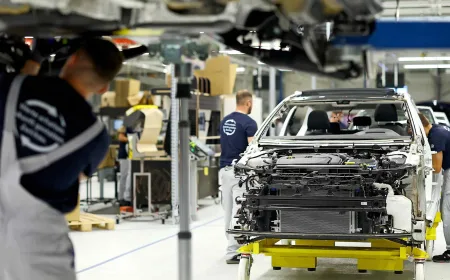
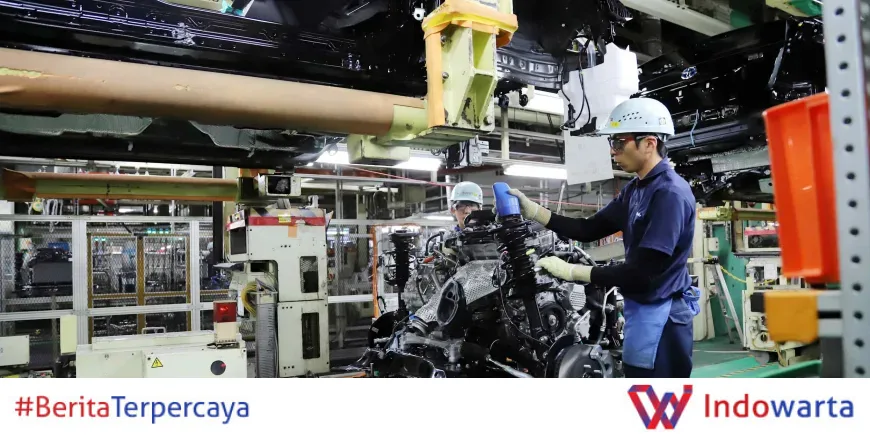
Japan's automakers, including Toyota, have leaned heavily on hybrids. The Nikkei report's lead image shows workers at Toyota Motor's Tsutsumi Plant in Toyota City, Aichi prefecture, assembling an engine for a hybrid Prius in December 2017 — a reminder that engine production remains central to the hybrid model.
Hybrids still need internal combustion engines. So do plug-in hybrids. Every one of those vehicles requires pistons, crankshafts, fuel injection systems, and the precision components that Japanese suppliers specialize in.
That reality extends the commercial life of engine parts businesses. For investors, it creates a window — perhaps a decade — in which these companies can generate steady returns before electrification eventually erodes demand.
What the Deal Wave Means for Japan's Supply Chain
The rise in private equity interest carries consequences for Japan's industrial base. Suppliers that change hands may see new management priorities, cost restructuring, or consolidation with peers.
For automakers, the shift introduces uncertainty. Long-term supplier relationships are a hallmark of the Japanese auto industry, and private equity ownership can disrupt those ties.
For workers, the impact depends on the buyer. Some private equity firms invest in efficiency and growth; others focus on extracting cash. The Nikkei report does not detail specific transactions or buyers, but the broader pattern is clear: capital is moving into a sector many had written off.
The restructuring rush also reflects a wider trend in Japanese corporate governance, where companies are under pressure to focus on core operations and divest peripheral businesses. Engine parts units that once seemed essential may now look like candidates for sale.
What Happens Next for Engine Parts Makers
The coming months will show whether the deal momentum holds. Several factors will shape that outcome.
First, the pace of EV adoption. If electrification slows further, engine parts businesses become more valuable. If it accelerates, the window narrows.
Second, the willingness of Japanese owners to sell. Restructuring pressure is rising, but cultural resistance to foreign ownership and private equity remains in some quarters.
Third, competition among buyers. German firms are leading, but others may follow once the opportunity becomes more visible.
For now, the signal from the Nikkei report is unambiguous. Private equity, especially from Germany, sees Japan's engine parts makers not as relics but as cash-generating assets with years of life left. The deal count confirms that view is translating into action. More details on specific transactions are available through Nikkei Asia's automobiles coverage.
Analisis Redaksi
The Nikkei report captures a paradox at the heart of the auto industry. Everyone knows electrification is coming, yet the money is flowing toward combustion engine parts. That is not a contradiction — it is a bet on timing.
Private equity firms are not sentimental about engines. They are pricing in a slower transition and a longer tail of demand for hybrid and petrol vehicles. Japanese suppliers, with their engineering depth and automaker relationships, fit that thesis well. German buyers, who know the technology from their own market, are natural bidders.
The risk lies in what happens when the window closes. A private equity owner focused on a decade of cash flow may invest less in the transition than a strategic owner would. If suppliers emerge from private equity ownership with weaker capabilities just as electrification accelerates, the cost could fall on automakers and workers alike.
For Japanese companies, the deal wave is a chance to restructure. Whether it becomes a smart exit or a short-term fix depends on how the terms are structured — and on whether the EV slowdown proves temporary or lasting.
What's Your Reaction?
 Like
0
 Dislike
0
 Love
0
 Funny
0
 Angry
0
 Sad
0
 Wow
0